Solar Options for HDB Residents
While individual HDB flat owners cannot install solar panels on their roofs directly, there are still ways to benefit from solar energy. Here's what's available:
HDB's SolarNova Program
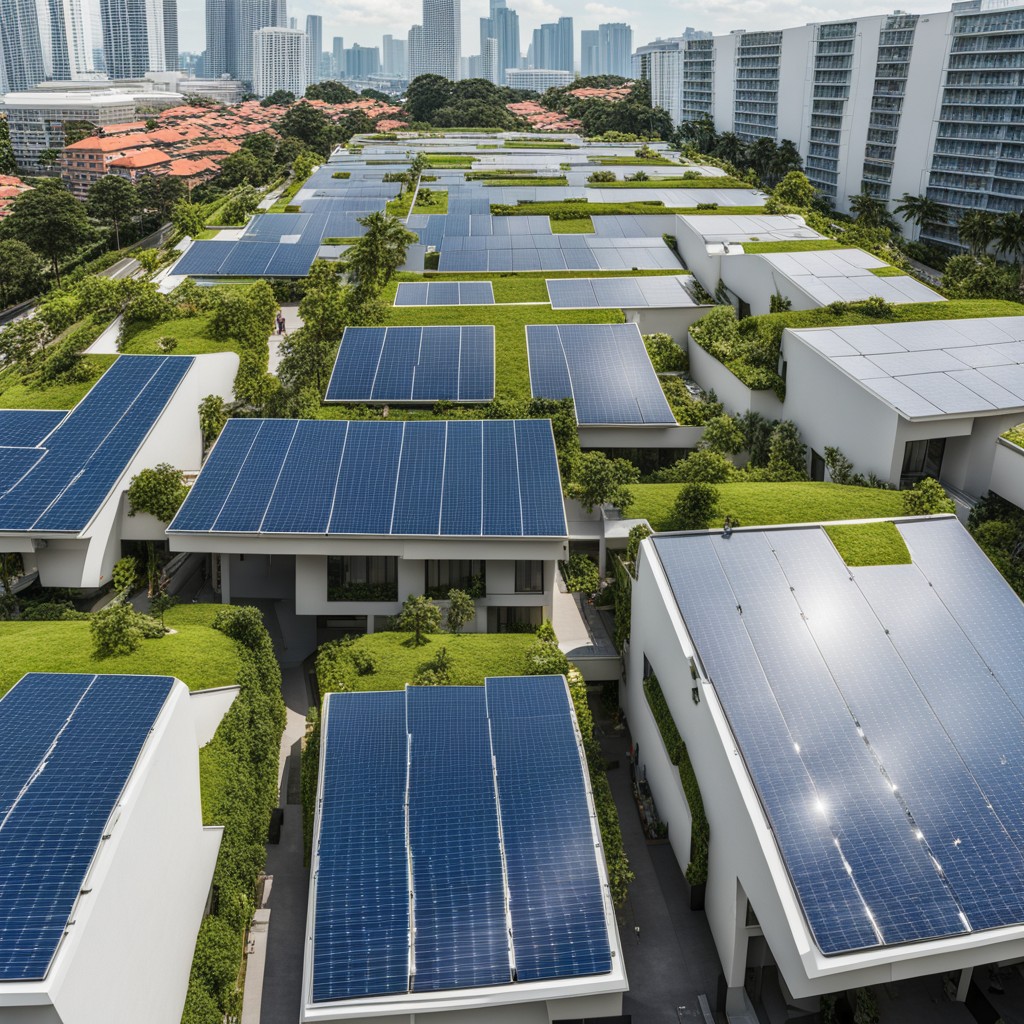
HDB is installing solar panels on HDB rooftops as part of the SolarNova program. These systems power common areas and reduce service conservancy charges. By 2030, HDB aims to have solar panels on half of all HDB blocks.
Interested in solar for your home? Learn about residential options for Singapore homeowners.
Explore residential solar installation in SingaporeCommunity Solar Options
Some private community solar programs allow HDB residents to purchase solar energy without installing panels. These programs are expanding as solar adoption grows.
Portable Solar Solutions
While not as efficient as rooftop systems, HDB residents can use:
- Solar-powered water heaters
- Portable solar chargers for devices
- Balcony solar panels (limited output)
- Solar-powered outdoor lighting
Preparing for Future Options
The government is exploring new models for HDB solar participation. Keep informed about:
- Virtual power purchase agreements
- Community solar gardens
- Shared solar programs
HDB's SolarNova Program in Detail
The SolarNova program is Singapore's largest solar deployment initiative. Under this program, HDB installs solar panels on rooftops through bulk tenders, achieving economies of scale that individual installations cannot match. By 2030, HDB targets 540,000 solar panels across 6,000+ blocks — generating enough electricity to power 135,000 four-room flats annually.
How SolarNova Benefits Residents
SolarNova directly reduces service and conservancy charges (S&CC) for HDB residents:
- Electricity for common areas (corridor lighting, lifts, water pumps) is offset by rooftop solar generation
- Savings of S$2-5 per month per household, depending on block configuration
- Cumulative town-level savings can reach S$100,000+ annually for larger estates
Towns like Tampines, Jurong West, and Punggol have already seen significant SolarNova deployment, with visible solar arrays on many block rooftops.
Community Solar Alternatives
For HDB residents wanting direct solar benefits, several options exist:
- Retail solar plans: Some electricity retailers offer solar-indexed plans where a portion of your electricity is sourced from solar farms
- Portable solar devices: Solar-powered chargers, garden lights, and water heaters for personal use
- Balcony solar: Small 400W-800W plug-in systems that connect to power outlets (savings of S$20-40/month)
Future HDB Solar Developments
HDB is exploring several innovative solar models:
- Floating solar: HDB is studying floating PV systems on reservoirs near HDB towns
- Building-integrated PV: New BTO projects may incorporate solar into facades and window elements
- Smart energy hubs: Integration with energy storage for evening peak shaving
- Virtual power plants: Aggregating distributed solar for grid services
What HDB Residents Can Do Now
While waiting for expanded solar access:
- Support your town's SolarNova deployment by reporting any maintenance issues
- Reduce energy consumption with efficient appliances (NEA Energy Label 4-5 ticks)
- Explore solar-ready appliances like solar water heaters for kitchen/bathroom
- Stay informed about new community solar programs through your town council
Maximizing Energy Efficiency
While waiting for solar options, HDB residents can reduce energy consumption through efficient appliances, LED lighting, and smart home systems. Every kWh saved is money saved.
SolarNova for HDB Estates
While individual HDB residents cannot install panels on their roofs, the government's SolarNova programme is systematically deploying solar across suitable HDB blocks. By 2030, HDB aims to more than double its solar capacity to 540 MWp — enough to power 135,000 four-room flats annually. Residents benefit through reduced town council conservancy charges as energy savings offset common area electricity costs.
Community Solar Options
HDB residents interested in direct solar benefits can explore community solar programs where multiple households share a centralized solar installation. This model, similar to programs in the United States and Australia, allows apartment dwellers to subscribe to a portion of a shared system's output and receive credits on their electricity bills.
Balcony Solar Solutions
For HDB residents with direct sunlight access, small balcony solar systems (200-500W) are becoming available. These plug-and-play units can power small appliances and reduce grid dependence. While output is modest (1-2 kWh daily), they provide energy independence and educational value, particularly for households looking to reduce their carbon footprint.
Future Developments
The Housing & Development Board is exploring innovative solar integration methods including building-integrated photovoltaics (BIPV) where solar cells replace conventional building materials. HDB's upcoming Tengah estate will feature solar-ready designs, making future panel installation easier and more cost-effective for residents.