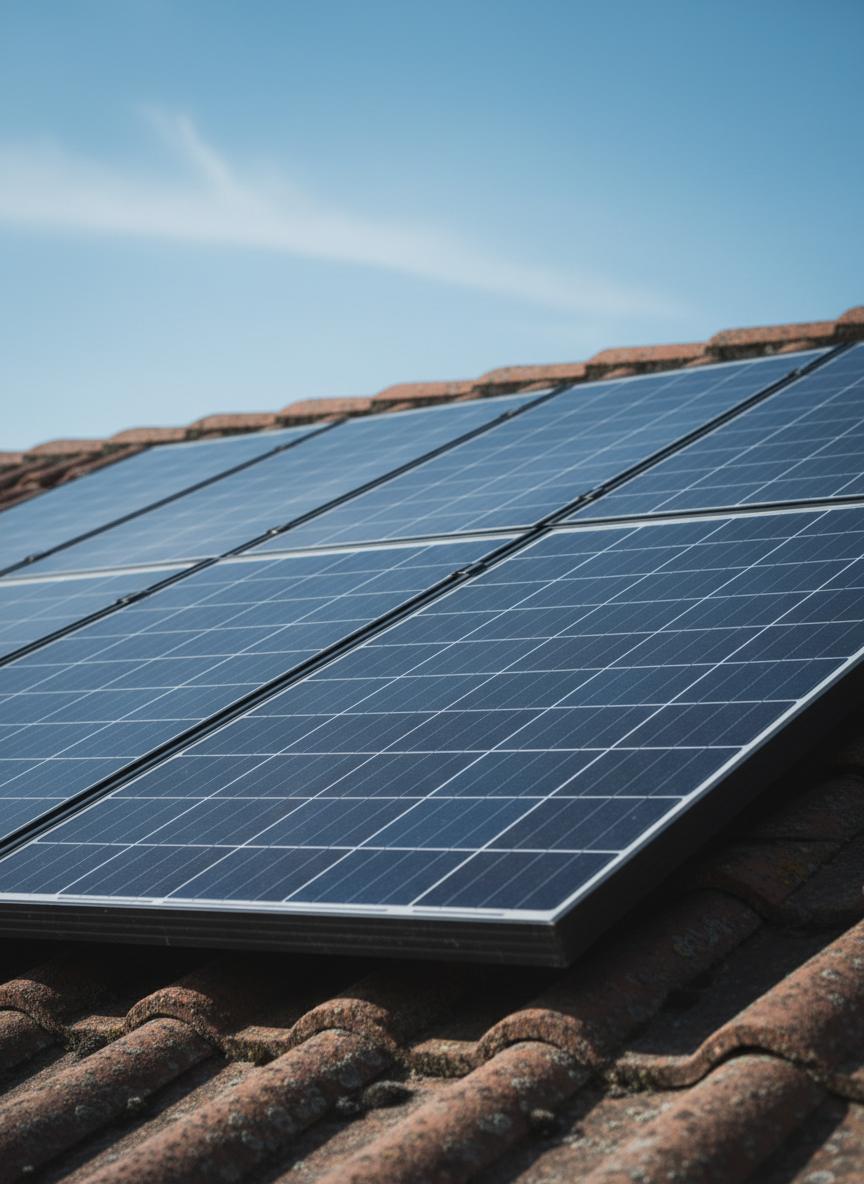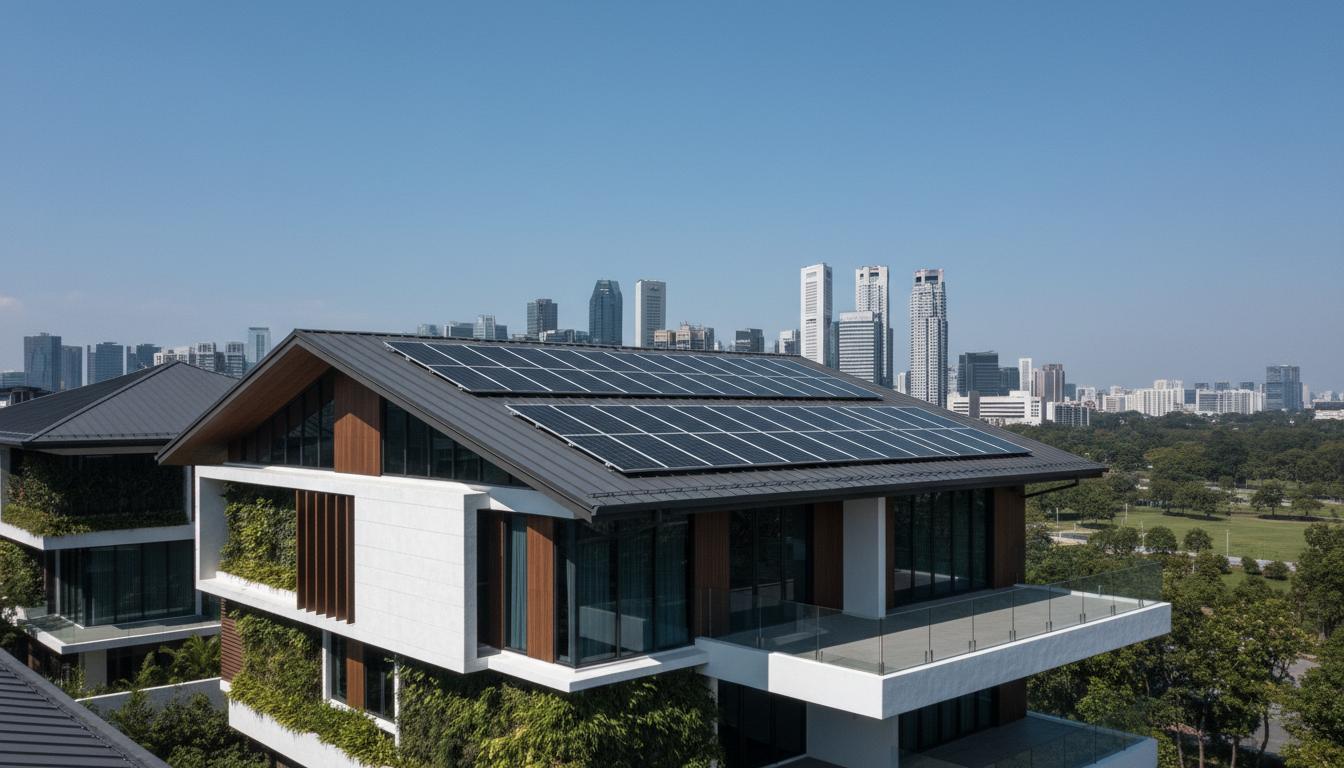
Singapore Green Plan 2030: The Solar Opportunity
Singapore's Green Plan 2030 represents the most ambitious sustainability roadmap in the nation's history. At its core is a dramatic expansion of solar energy — targeting 2 gigawatt-peak (GWp) by 2030, enough to power approximately 350,000 households annually. For homeowners and businesses, this creates unprecedented opportunities to participate in the clean energy transition while securing significant financial benefits.
This guide explains the Green Plan's solar targets, how they affect you, and why acting now positions you ahead of accelerating demand and evolving regulations.
Green Plan 2030 Solar Targets
- 🎯 2 GWp solar capacity by 2030 (from ~350 MWp in 2020)
- 🎯 540 MWp on HDB rooftops by 2030
- 🎯 1.5 GWp from floating solar and integrated systems
- 🎯 Net-zero emissions by 2050
- 🎯 Peak emissions before 2030
Understanding the SolarNova Programme
What Is SolarNova?
SolarNova is the government's flagship solar deployment programme, led by the Housing & Development Board (HDB) and Economic Development Board (EDB). It aggregates solar demand across government agencies, reducing costs through bulk procurement while accelerating deployment.
HDB Solar Deployment
By 2030, HDB aims to more than double solar capacity on HDB rooftops to 540 MWp. This covers approximately 6,000 HDB blocks, generating enough electricity for 135,000 four-room flats annually. Residents benefit through reduced town council conservancy charges.
Public Sector Leadership
Government buildings, schools, and hospitals are required to maximize solar deployment where technically feasible. This creates demonstration effects and drives market maturity, benefiting private sector adopters through economies of scale.
Carbon Pricing and Its Impact
Carbon Tax Framework
Singapore implemented Southeast Asia's first carbon tax in 2019, starting at S$5 per tonne of CO2. The tax rises to S$25/tonne in 2024, S$45/tonne in 2026, and targets S$50-80/tonne by 2030. This directly increases electricity costs, making solar more attractive.
Implications for Solar Economics
As carbon pricing increases electricity generation costs, retail rates will rise. Solar adopters are shielded from these increases because their marginal cost of solar electricity is near zero after installation. Each rate hike improves the ROI of already-installed systems.
| Year | Carbon Tax | Est. Rate Impact | Solar Advantage |
|---|---|---|---|
| 2023 | S$5/tonne | Baseline | Current |
| 2024 | S$25/tonne | +3-5% | Improving |
| 2026 | S$45/tonne | +8-12% | Strong |
| 2030 | S$50-80/tonne | +15-25% | Very Strong |
Green Building Requirements
BCA Green Mark 2021
The Building and Construction Authority's updated Green Mark scheme makes renewable energy a key scoring component. New developments pursuing Green Mark certification must incorporate solar where feasible, creating demand for building-integrated photovoltaics (BIPV).
Mandatory Solar-Ready Design
From 2025, certain building types must include solar-ready infrastructure — conduit, roof reinforcements, and electrical provisions — even if panels aren't installed immediately. This future-proofs buildings and reduces retrofit costs.
What the Green Plan Means for Homeowners
Accelerated Market Growth
The 2 GWp target requires massive scaling. More installations mean more experienced installers, better equipment availability, and competitive pricing — but also potential supply constraints as demand surges.
Grid Modernization
SP Group is investing S$1.8 billion in grid upgrades to handle distributed solar. Smart meters, bidirectional power flows, and virtual power plants will enable more sophisticated energy trading and optimization.
Future Incentives
While current incentives like the Grid Integration Program are stable, the Green Plan may introduce new mechanisms:
- Peer-to-peer energy trading between prosumers
- Time-of-use rates that favor solar+battery systems
- Carbon credits for residential solar generation
- Property tax rebates for solar-equipped homes
Early Mover Advantage
Installing solar before 2025-2026 provides advantages:
- Lock in current pricing before demand surge
- Secure preferred installer schedules
- Start accumulating savings immediately
- Benefit from current incentive structures
- Higher resale value as solar becomes expected
What the Green Plan Means for Businesses
Regulatory Pressure
Large commercial buildings face increasing pressure to demonstrate sustainability. The Energy Conservation Act requires large energy consumers to implement efficiency measures, with solar being a primary compliance pathway.
Supply Chain Requirements
Multinational corporations increasingly require renewable energy in their supply chain contracts. Singapore-based suppliers with solar installations gain competitive advantage in global tenders.
Green Financing Access
The Monetary Authority of Singapore's Green Finance Action Plan channels capital toward sustainable projects. Businesses with solar installations access preferential loan rates, green bonds, and sustainability-linked financing.
How to Participate in the Green Plan
For Homeowners
- Assess your roof's solar potential with a professional site survey
- Install solar before incentive structures potentially change
- Consider battery storage for maximum energy independence
- Monitor production and share data to support grid planning
For Businesses
- Conduct energy audits to identify solar opportunities
- Explore Power Purchase Agreements (PPAs) for zero-capital deployment
- Leverage tax incentives and green loans
- Document sustainability credentials for clients and investors
For Developers
- Incorporate solar-ready design in new projects
- Consider BIPV for aesthetic integration
- Target Green Mark Platinum with renewable energy points
- Plan for EV charging infrastructure powered by solar
The Path to Net-Zero 2050
Beyond 2030, Singapore targets net-zero emissions by 2050. Solar will be foundational, but achieving this requires:
- Expanding solar beyond rooftops to reservoirs, reservoirs, and offshore
- Developing hydrogen and advanced battery storage
- Importing renewable energy via regional power grids
- Electrifying transport and industrial processes
Early solar adopters become part of this transition, gaining experience and infrastructure that positions them for future energy innovations.
Conclusion: Act Now
The Green Plan 2030 creates a favorable environment for solar adoption, but windows of opportunity close as targets approach. Incentive structures may evolve, equipment costs may fluctuate, and installer availability may tighten as demand accelerates.
Use our solar estimator to see how the Green Plan's targets translate to savings for your property.
Ready to Go Solar?
Get a free site assessment, custom system design, and detailed savings projection for your property.