Understanding Grid-Tie Systems
Grid-tie solar systems connect to Singapore's power grid, allowing you to use grid electricity when needed and sell excess solar power back. Here's how it works:
How Grid-Tie Works
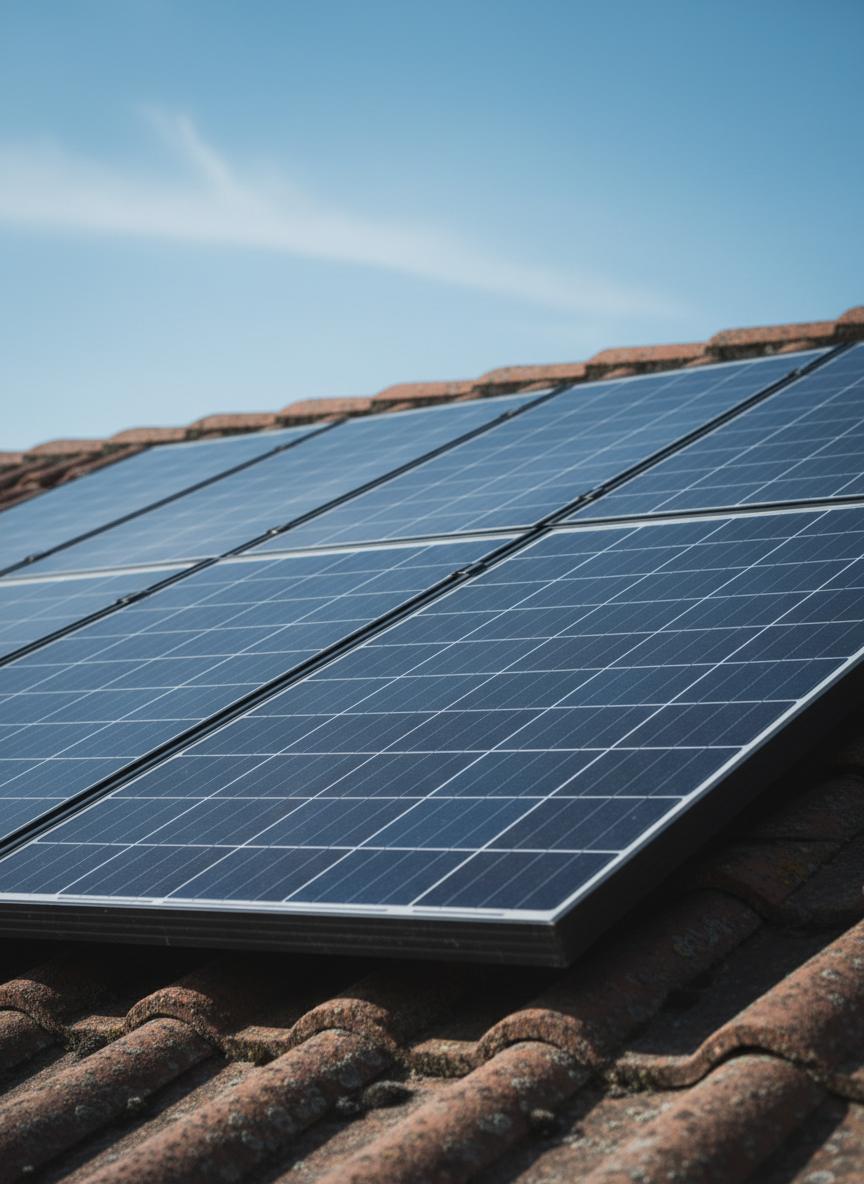
During the day, your solar panels generate electricity:
- Direct use: Power goes directly to your home's electrical system
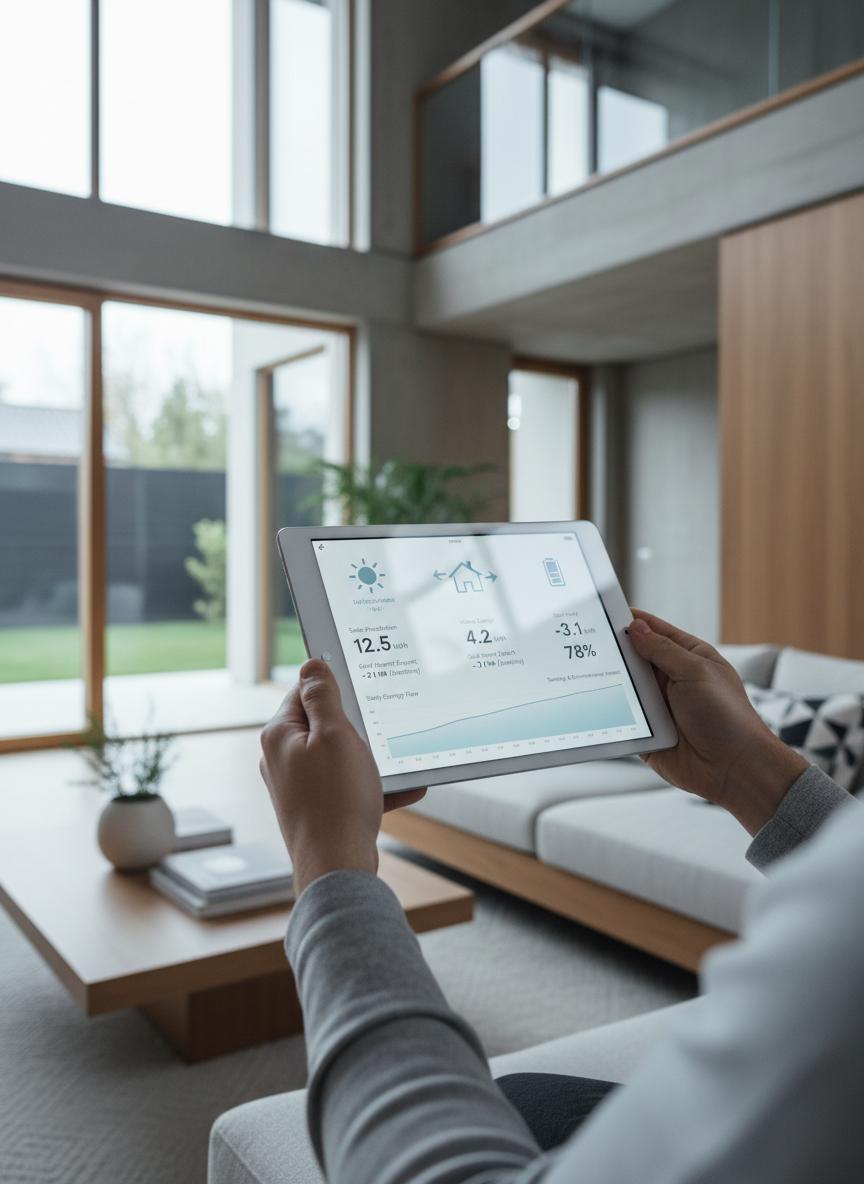
- Excess export: Unused power flows to the grid through a bidirectional meter
- Night/cloudy periods: You draw power from the grid as normal
Export Rates and Billing
SP Services pays S$0.20/kWh for exported electricity. While this is less than the retail rate (S$0.32/kWh), it still provides significant value for excess generation.
Optimizing Your System
To maximize savings:
- Right-size your system: Match generation to your usage patterns
- Use timers: Run high-consumption appliances during peak solar hours
- Consider batteries: Store excess for evening use instead of exporting
Metering Options
Net Metering: Exports offset your imports directly (not currently available in Singapore)
Gross Metering: All exports are measured separately and paid at the export rate (current Singapore model)
Grid Connection Process
Argyle Solar handles the entire process:
- Application to SP Services for grid connection
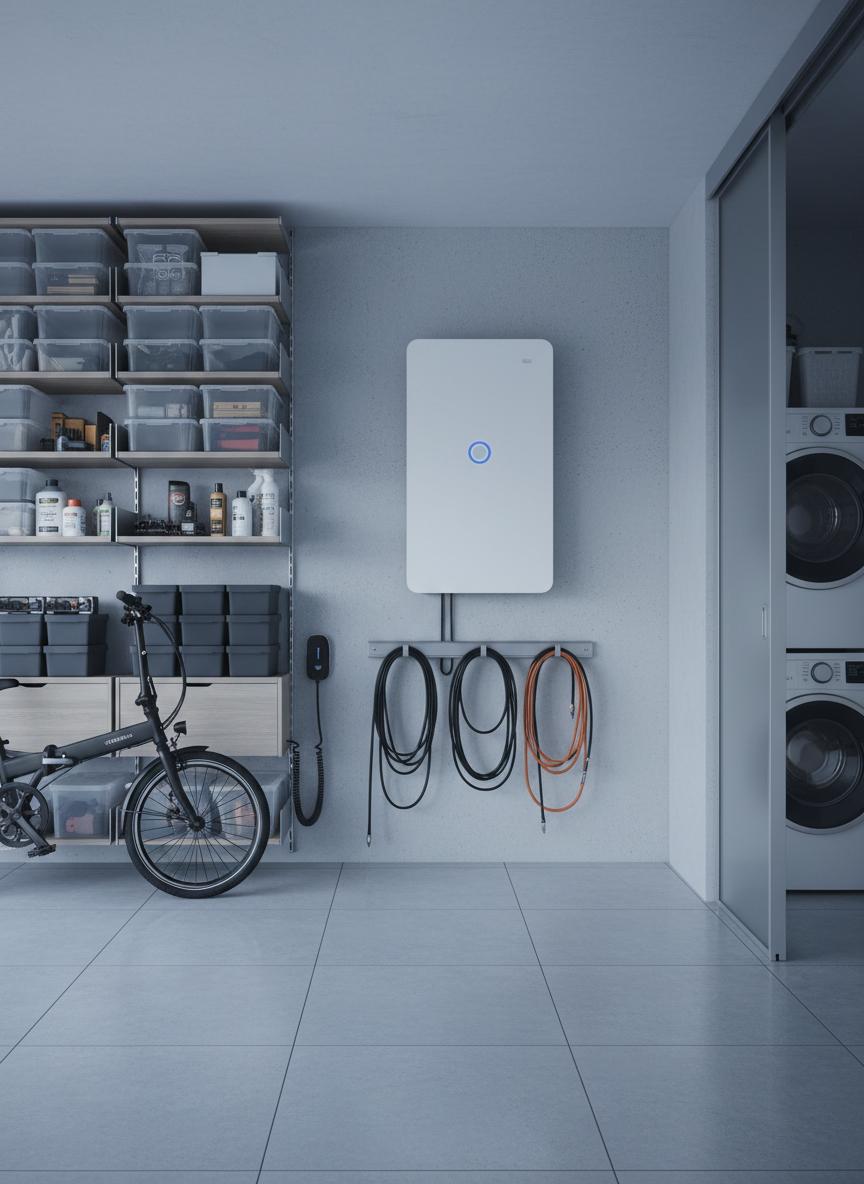
- Installation of bidirectional meter
- Technical inspection and approval
- Activation of export payments
Singapore's Unique Net Metering Framework
Singapore currently operates under the Grid Integration Program (GIP), which functions as a gross metering system rather than true net metering. Here's how it works:
- Import meter: Tracks all electricity drawn from the grid (charged at retail rate: ~S$0.32/kWh)
- Export meter: Tracks all solar electricity sent to the grid (paid at S$0.20/kWh)
- Separate billing: You pay full retail for imports and receive S$0.20 for exports — no direct 1:1 offset
This structure makes self-consumption critical. Every kWh used directly from solar saves S$0.32, while exported kWh only earns S$0.20. Optimizing daytime usage (running washing machines, pool pumps, aircon pre-cooling during sunny hours) maximizes savings.
SP Group Connection Requirements
To connect under the GIP, systems must meet SP Group technical standards:
- Voltage regulation: Inverters must maintain grid voltage within ±6% of nominal 230V
- Frequency response: Automatic disconnection if grid frequency deviates beyond 47.5-52.5 Hz
- Anti-islanding: Inverters must shut down within 2 seconds of grid loss (safety requirement for repair crews)
- Power factor: Maintain 0.95 lagging to 0.95 leading
- Harmonics: THD must not exceed 5% to prevent grid distortion
Singapore-Specific Grid Considerations
Grid Stability: Singapore's grid is exceptionally stable with 99.99% uptime. This means grid-tied systems rarely experience disconnection events, maximizing energy harvest.
Transformer Capacity: Some older estates (Tiong Bahru, parts of Katong) have transformers nearing capacity. SP Group may limit export to prevent reverse power flow. A pre-application check confirms available export capacity.
Three-Phase Connection: Larger systems (8kW+) on landed properties may require three-phase 400V connection. This involves SP Group upgrading your meter and potentially your incoming supply — add S$500-2,000 to budget if required.
Export Payment Process
Payments for exported electricity are processed monthly:
- SP Group reads bidirectional meter (usually remote AMI meter)
- Export credits applied to your electricity bill within 2 billing cycles
- If exports exceed imports, credits roll over to next month
- Annual reconciliation: Any net credit can be refunded to your bank account
Typical export earnings for a 5kW system: S$40-80/month depending on household consumption patterns.
Future: Time-of-Use and Virtual Power Plants
EMA is studying time-of-use (TOU) pricing for Singapore, where electricity costs vary by time of day. Under TOU, exporting during peak evening hours (6-10 PM) could earn premium rates of S$0.40-0.50/kWh, making battery storage far more attractive. Grid-tied systems with smart inverters will be ready for this transition.
Start Earning from Solar
Every kWh you export is money in your pocket. Contact us to design a system that optimizes both self-consumption and export earnings.
Grid Connection Process
Connecting a solar system to Singapore's grid requires approval from SP Group under the Embedded Generator scheme. The process involves submitting electrical single-line diagrams, inverter specifications, and protection settings. Systems under 1 MW qualify for simplified approval, while larger installations require more detailed technical review. Typical approval timelines range from 2-6 weeks.
Net Export Compensation
Exported solar energy is credited at S$0.20 per kWh for residential consumers under the Grid Integration Program. This rate is periodically reviewed by the Energy Market Authority. While below retail electricity rates, it provides meaningful value for systems sized to generate more than baseline consumption, particularly during weekend periods when household usage is lower.
Smart Export Strategies
Optimizing self-consumption versus export requires smart energy management. Running high-consumption appliances (washing machines, pool pumps, EV chargers) during peak solar production hours (10am-3pm) maximizes self-consumption and minimizes grid export at lower rates. Battery storage can further optimize by storing midday excess for evening use when grid electricity is most valuable.
Future Market Developments
Singapore is exploring peer-to-peer energy trading where prosumers (producer-consumers) can sell excess energy directly to neighbors at negotiated rates. While still in pilot phases, this could revolutionize the value proposition for residential solar, potentially doubling or tripling the effective value of exported energy compared to current utility buyback rates.