What is Solar Panel Efficiency?
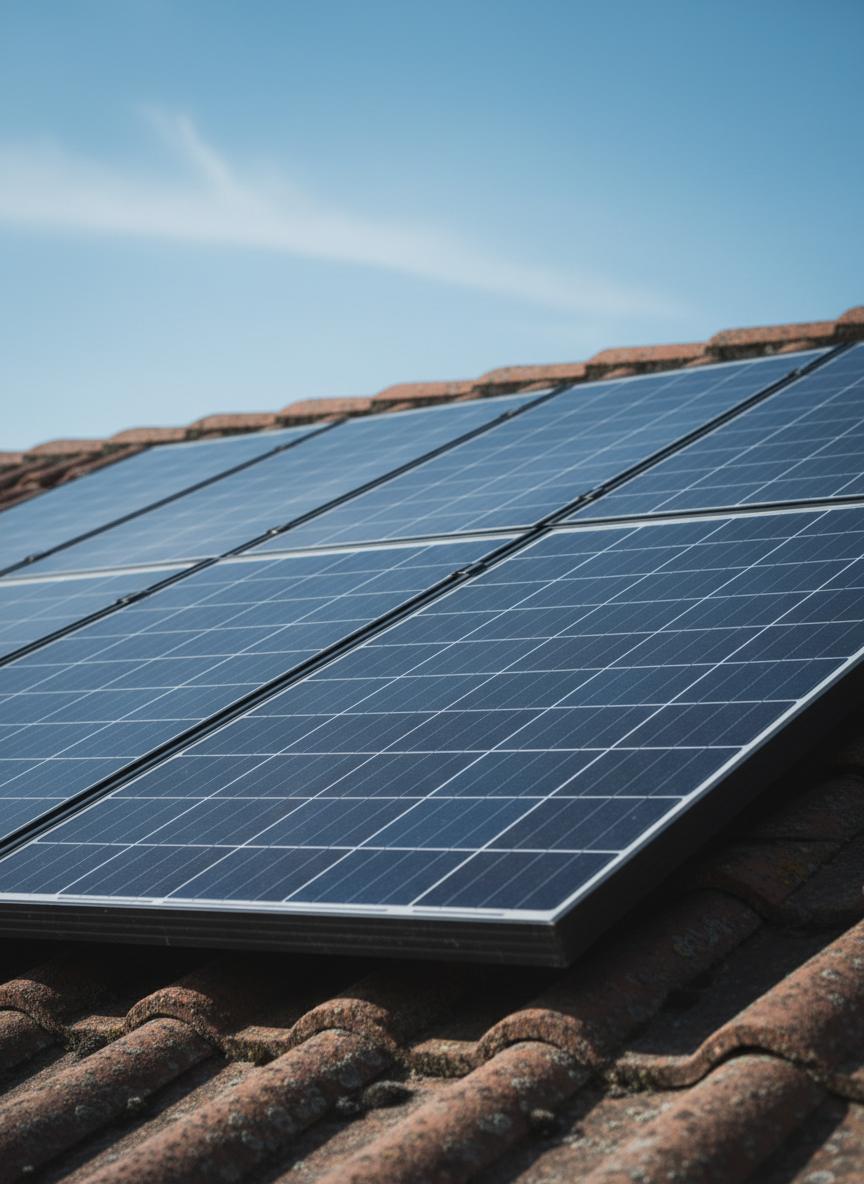
Solar panel efficiency refers to the percentage of sunlight that a panel can convert into usable electricity. Modern residential panels typically range from 19% to 22% efficiency, with premium models reaching up to 24%.
Why Efficiency Matters in Singapore
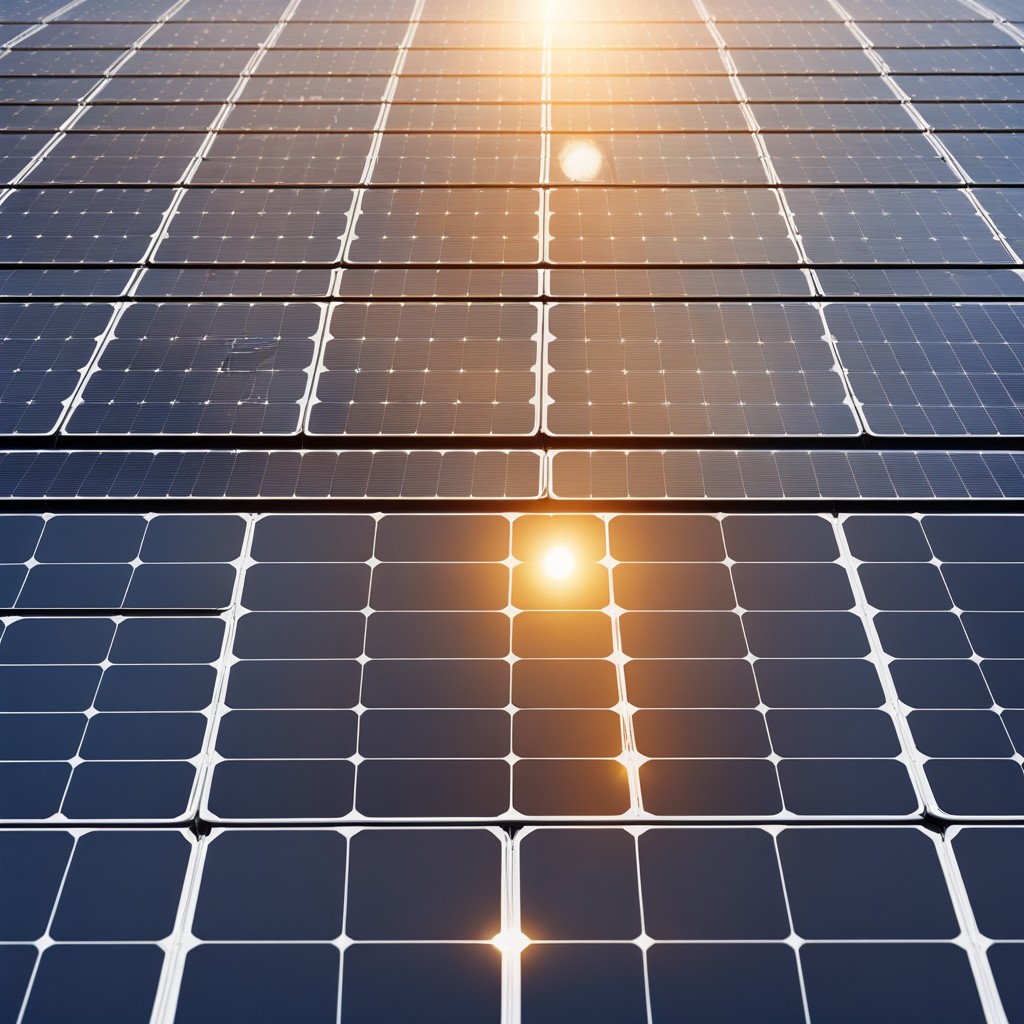
Singapore's limited roof space makes efficiency particularly important. Higher efficiency panels generate more power per square meter, allowing you to maximize energy production even with space constraints.
Factors Affecting Efficiency
- Temperature: Panels lose efficiency as they heat up. Singapore's climate makes temperature coefficient crucial.
- Shading: Even partial shading can significantly impact output.
- Panel age: Efficiency degrades about 0.5-0.8% per year.
- Dirt and debris: Regular cleaning maintains optimal performance.
Top Efficient Panels for Singapore
Brands like REC, SunPower, and LONGi offer panels specifically designed for tropical climates with excellent temperature coefficients. These panels maintain higher efficiency even on Singapore's hottest days.
How Singapore's Climate Affects Efficiency
Singapore's tropical climate presents unique challenges and opportunities for solar panel efficiency. The National Environment Agency (NEA) reports average daily temperatures of 27-32°C year-round, with relative humidity often exceeding 80%. While high temperatures can reduce panel output (typically -0.3% to -0.5% per degree above 25°C), Singapore's abundant sunshine more than compensates.
The equatorial location means minimal seasonal variation in day length — approximately 12 hours of daylight year-round with the sun reaching 66-90° elevation at solar noon. This consistent solar angle allows for simpler fixed-mount installations without the need for complex tracking systems.
Singapore-Specific Efficiency Factors
Heat Management: In Singapore, panels can reach 60-70°C on rooftops. Premium panels with temperature coefficients of -0.24%/°C (like REC Alpha) lose only 8-10% output at these temperatures, compared to 12-15% for standard panels. This difference alone can mean S$200-400 more annual savings for a 5kW system.
Humidity and Salt Air: Coastal properties in East Coast, Sentosa, or Punggol face salt corrosion risks. Look for panels with IEC 61701 salt mist corrosion certification and aluminum frames with anodized coating rated for marine environments.
Urban Heat Island Effect: Dense urban areas like Orchard Road or Tanjong Pagar experience higher ambient temperatures. Proper roof ventilation and panel spacing (minimum 10cm gap) help dissipate heat and maintain efficiency.
Maximizing Efficiency in Limited Space
Given Singapore's high property prices and limited roof space, maximizing output per square meter is critical. High-efficiency panels (21%+) allow 20-25% more energy from the same roof area compared to standard panels (18-19%). For a typical 50m² roof, this can mean the difference between a 6kW and 8kW system — worth S$150-200 more monthly savings.
Efficiency vs. Cost: Finding the Balance
While high-efficiency panels cost more upfront, they often provide better long-term value through increased energy production. Our consultants can help you find the optimal balance for your specific situation.
Understanding Temperature Coefficients
In Singapore's tropical climate, the temperature coefficient is arguably the most important efficiency metric. This figure indicates how much output drops for each degree above 25°C. Premium panels like REC Alpha series have coefficients of -0.26%/°C, while budget options may be -0.40%/°C. At Singapore's typical rooftop temperatures of 45-50°C, this difference translates to 5-8% more energy production from premium panels.
Real-World Performance vs Lab Ratings
Laboratory efficiency ratings are measured at 25°C with 1,000 W/m² irradiance. In Singapore's reality, panels operate at 45-55°C, reducing actual output by 5-12% compared to rated capacity. However, Singapore's consistently high irradiance (1,580 kWh/m² annually) compensates for thermal losses, resulting in excellent overall performance.
Bifacial Panels for Singapore
Bifacial panels, which capture light from both sides, are gaining popularity in Singapore. When installed on reflective roofs or with ground clearance, they can generate 10-20% additional energy. This technology is particularly effective for landed properties with light-colored roofing materials.
Degradation Rates and Warranties
Quality Tier 1 panels degrade at 0.5-0.8% annually. This means a 20% efficient panel will still operate at 15-17.5% efficiency after 25 years. Reputable manufacturers provide linear performance warranties guaranteeing at least 80-85% of original output after 25 years, ensuring long-term value for Singapore homeowners.