The Heart of Your Solar System
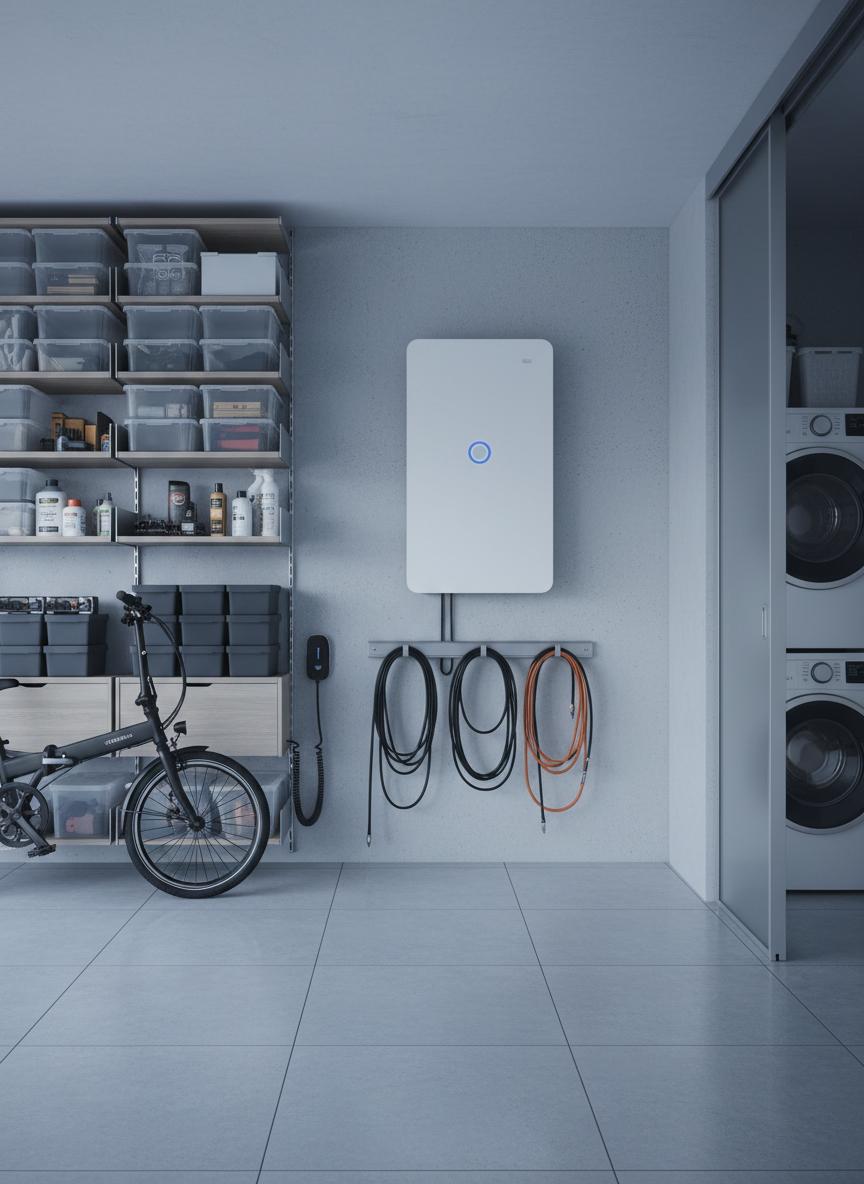
The inverter converts DC electricity from your panels into AC power for your home. Choosing the right inverter is crucial for system performance and reliability.
Types of Solar Inverters
1. String Inverters
- Most cost-effective option
- One inverter handles multiple panels
- Best for unshaded roofs
- 10-12 year lifespan
2. Microinverters
- One inverter per panel
- Panel-level optimization
- Better for shaded roofs
- 25-year lifespan
3. Power Optimizers
- Hybrid solution with string inverter
- Panel-level monitoring
- Good balance of cost and performance
Top Inverter Brands in Singapore
SMA: German engineering, excellent reliability, great for large systems
Enphase: Leading microinverter brand, comprehensive monitoring
Huawei: Good value, strong performance in tropical climates
Solis: Cost-effective option with good local support
Singapore-Specific Considerations
Look for inverters with:
- Wide operating temperature range (up to 60°C)
- High IP rating for humidity protection (IP65 minimum)
- Local service and warranty support
- Grid compliance certification for Singapore
Inverter Sizing
Your inverter should be sized to your panel capacity, typically with a DC/AC ratio of 1.1-1.3. This accounts for panel degradation and ensures optimal clipping behavior.
Singapore Grid Code Requirements
Inverters for Singapore must comply with EMA's "Technical Code for Electricity Generating Units" and SP Group's distribution code. Key requirements include:
- Anti-islanding protection: IEEE 1547 / UL 1741 SA certified — disconnects within 2 seconds of grid outage
- Voltage ride-through: Must continue operating during brief voltage dips (common during thunderstorms)
- Reactive power capability: Must support grid voltage by providing or absorbing reactive power
- EMC compliance: Must not interfere with radio communications (critical in dense urban Singapore)
Only inverters on EMA's approved equipment list can be installed in Singapore. Argyle Solar exclusively uses approved models from Tier 1 manufacturers.
Tropical Climate Considerations for Inverters
Singapore's heat and humidity demand specialized inverter selection:
Temperature Derating: Inverters experience output reduction above rated temperature (typically 45°C). On Singapore rooftops, ambient temperatures reach 35-40°C, and inverter enclosures can hit 50-60°C. Oversizing inverters by 10-15% ensures full array output is captured even on the hottest days.
Cooling Strategy:
- String inverters: Install in shaded, ventilated areas (car porch, utility room). Never in direct sun or enclosed spaces
- Power optimizers: DC-DC converters mounted behind panels must handle 70-85°C panel backsheet temperatures
- Microinverters: Fully potted and sealed, better suited to direct roof mounting in tropical conditions
Humidity Protection: Look for inverters with conformal coating on circuit boards (protects against Singapore's 80%+ humidity) and IP65+ enclosures.
Single-Phase vs. Three-Phase in Singapore
Most Singapore homes have single-phase 230V supply. However:
- Systems above 5kW may benefit from three-phase inverters (balanced load across phases)
- Landed properties can request three-phase upgrade from SP Group (S$500-2,000)
- Three-phase allows larger systems (up to 10kW per phase = 30kW total)
- Export limit per phase: 5kW for single-phase, 10kW for three-phase
String Inverter Configuration for Singapore Roofs
Given Singapore's consistent sun angle (high in sky, minimal seasonal variation), simpler string configurations work well:
- Single string: Optimal for unshaded, uniformly oriented roofs
- Dual MPPT: Allows east-west split arrays on gable roofs (common in Singapore landed properties)
- Maximum string voltage: Must not exceed inverter max DC voltage (typically 600-1000V)
- String sizing: Account for lower panel temperatures in early morning causing temporary voltage spikes
Hybrid Inverters for Future Battery Addition
Even if you don't install batteries now, consider a hybrid inverter for future-proofing:
- Hybrid inverters include battery charge controllers (AC or DC coupled)
- Currently 15-20% more expensive than standard grid-tie inverters
- Eliminates need to replace inverter when adding batteries later
- Some models support EPS (Emergency Power Supply) for blackout backup
Singapore's grid reliability makes backup power less critical, but as battery prices fall and time-of-use pricing emerges, hybrid inverters offer valuable flexibility.
Expert Recommendation
Argyle Solar recommends inverters based on your roof layout, shading conditions, and budget. We install only brands with proven reliability and local support.
Compare the best solar inverters in Singapore — our 2026 comparison of SolarEdge, Sungrow, Huawei, Fronius, and Enphase, with prices, warranties, and roof-type recommendations.
Inverter Types Explained
String inverters convert DC output from multiple panels connected in series (a "string"). They are cost-effective for simple roof layouts but suffer from the "Christmas light effect" where shading on one panel reduces the entire string's output. Power optimizers (SolarEdge) and microinverters (Enphase) solve this by enabling module-level optimization, but at 15-25% higher cost.
Grid-Tied vs Hybrid Inverters
Grid-tied inverters are standard for Singapore as they allow net energy metering and are simpler than hybrid systems. However, hybrid inverters that support battery storage are increasingly popular as battery prices fall. Hybrid inverters from brands like Sungrow and GoodWe offer seamless integration with lithium batteries for homeowners planning future storage expansion.
Inverter Sizing for Singapore
Inverters are typically sized at 80-100% of panel capacity. Oversizing (using a smaller inverter than panel capacity) is common practice — it reduces costs while only marginally clipping peak output during the brief midday period. A 10kW panel array with an 8kW inverter is a common, cost-effective configuration for Singapore's consistent irradiance profile.
Efficiency and Monitoring
Inverter efficiency (96-98.5% for quality units) directly impacts overall system output. European efficiency ratings account for variable loads throughout the day. Premium inverters include comprehensive monitoring via smartphone apps, enabling homeowners to track performance, identify faults, and verify energy exports to the grid.