Why Standards Matter in Solar Installation
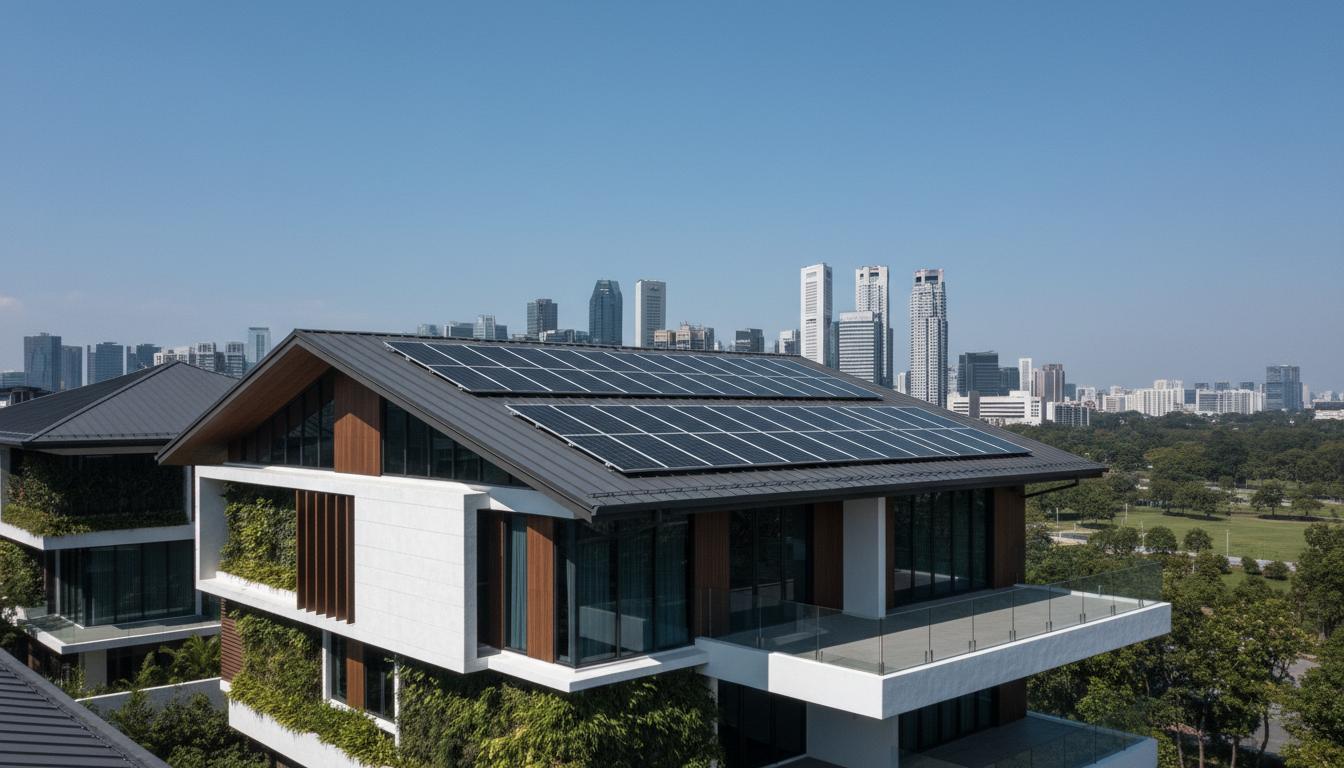
A solar system sits on your roof for 25 years, exposed to Singapore's intense heat, humidity, and monsoon rains. Cutting corners on installation standards doesn't just risk underperformance — it risks roof leaks, electrical fires, and voided insurance. For commercial buildings, the stakes are higher still: non-compliant work can fail BCA inspections, delay TOP (Temporary Occupation Permit), or expose facility managers to liability.
Here's a practical guide to the regulatory landscape every building owner and FM should understand before signing an installation contract.
EMA: Registration, Licensing, and Grid Connection
The Energy Market Authority (EMA) regulates Singapore's electricity industry. Key points for solar:
- Generation licence exemption: Solar PV systems below 1 MWac are generally exempt from holding an electricity generation licence — which covers most residential and many commercial rooftop systems.
- Grid connection approval: Any system exporting to the grid needs SP Group connection approval before commissioning. Your installer should handle the application.
- Sell-back scheme: Small systems register under the Simplified Credit Treatment (SCT) or the Enhanced Centralised Intermediary Scheme (ECIS) to receive payment for exported power.
- EMA-registered businesses: Installation companies themselves should be properly registered. Individual electrical work must be performed by Licensed Electrical Workers (LEWs) — ask for your installer's LEW credentials by name.
SS 650:2023: The Electrical Installation Standard
SS 650:2023 is the current Singapore Standard governing electrical installations, superseding SS 638 for current work. Solar installations must comply with its requirements for:
- DC cabling, isolators, and overcurrent protection
- Inverter installation and anti-islanding protection
- Earthing and lightning protection integration
- Labelling, documentation, and test certificates
Non-compliant DC installations are one of the most common findings when independent engineers audit existing systems — and a leading cause of fire risk. A compliant installer issues test certificates on completion; ask for them.
Vetting Question #1: "Can I have your LEW's name and licence number?"
Genuine companies answer immediately. Individual LEW licences can be verified, and the LEW signing off your installation takes legal responsibility for its electrical safety. A company that hesitates here is telling you something important.
BCA: Structural Approvals for Rooftop Systems
Building and Construction Authority (BCA) requirements come into play when solar panels add structural load to a roof:
- Structural assessment: Older buildings, metal-deck roofs, and lightweight structures typically require a professional engineer's (PE) structural evaluation before installation.
- Submission requirements: For new builds, solar provisions increasingly need to be included in building plans. Retrofits on existing buildings generally follow a submission-by-qualified-person process.
- Green Mark credits: Solar contributes to BCA Green Mark certification, which can improve building valuations and tenant appeal.
MOM and Workplace Safety
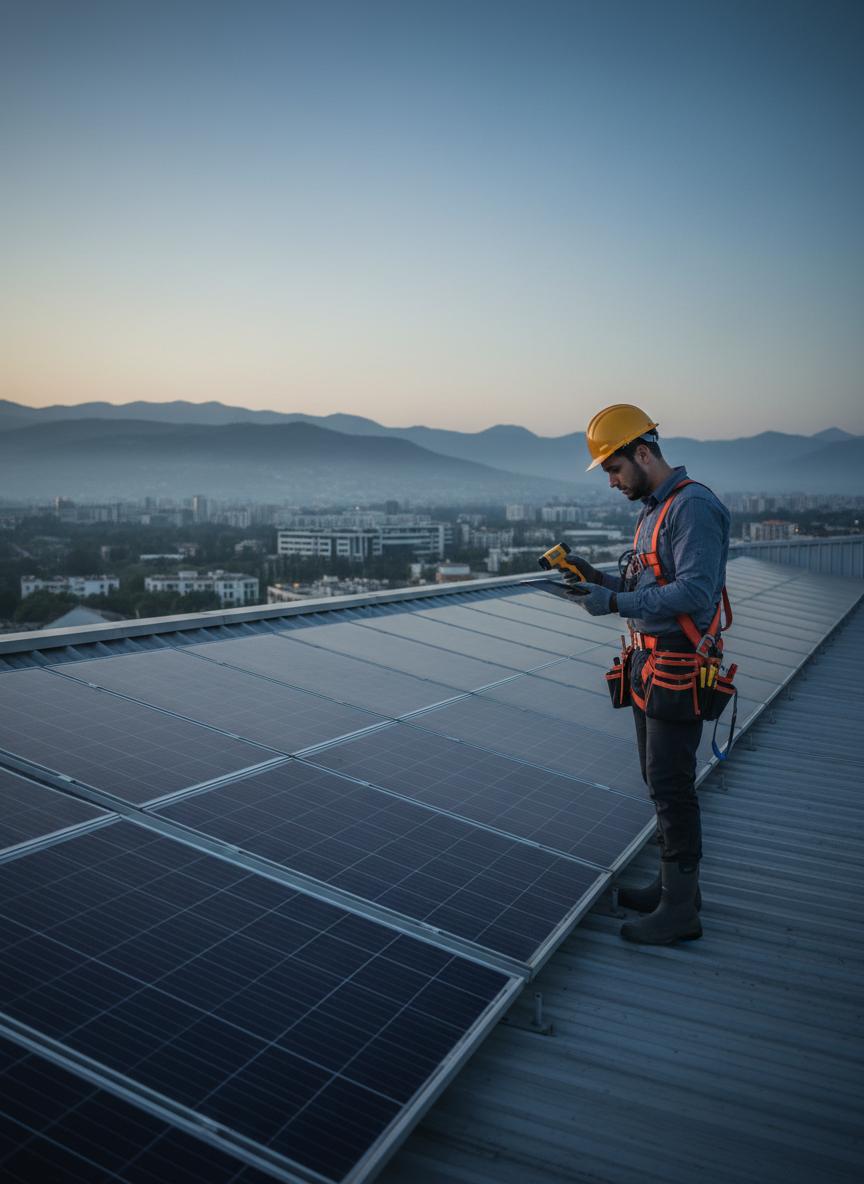
Solar installation is high-risk work at height. The Ministry of Manpower requires proper work-at-height controls, and MOM's circulars on PV installation safety set out specific briefing and supervision requirements. For commercial sites, verify your installer's safety record — a site accident on your premises creates legal and reputational exposure for you, not just them.
Your Compliance Checklist Before Signing
| Item | What to Ask For |
|---|---|
| Company registration | EMA-registered business details; how long operating in Singapore |
| Electrical sign-off | Named LEW and licence number; who issues test certificates |
| Standards compliance | Written confirmation of SS 650:2023 compliance for all electrical work |
| Structural work | PE structural assessment for your roof type; BCA submission handling |
| Grid connection | Who manages SP Group application and meter registration (SCT/ECIS) |
| Warranties & insurance | Workmanship warranty period; public liability insurance certificate |
The Bottom Line
Compliance isn't paperwork for its own sake — it's the difference between a system that runs safely for 25 years and one that becomes a liability. Every reputable installer will welcome these questions. At Argyle Solar, compliance documentation comes standard with every project: named LEW sign-off, SS 650:2023 test certificates, structural assessments, and full grid-connection handling.
Talk to a Compliant Installer
Get a free site assessment with full compliance documentation — no shortcuts, no surprises.