Maintaining Solar Panels in Tropical Climates
Singapore's climate presents unique maintenance challenges for solar systems. Here's how to keep your panels performing optimally:
Regular Cleaning
Singapore's frequent rain helps, but dust, pollen, and bird droppings still accumulate:
- Frequency: Clean every 3-6 months
- Method: Soft brush and deionized water
- Avoid: Harsh chemicals or abrasive materials
- Best time: Early morning or late afternoon when panels are cool
Checking for Shading
New vegetation growth can create shading issues:
- Trim trees near your roof annually
- Check for new construction that might block sunlight
- Monitor for bird nests or debris accumulation
Humidity and Corrosion Protection
Singapore's high humidity can affect electrical components:
- Annual inspection of junction boxes and connections
- Check for signs of corrosion on mounting hardware
- Ensure waterproof seals remain intact
Monitoring System Performance
Use your monitoring system to detect issues:
- Watch for sudden drops in production
- Compare monthly output to expected values
- Check individual panel performance if available
Professional Maintenance
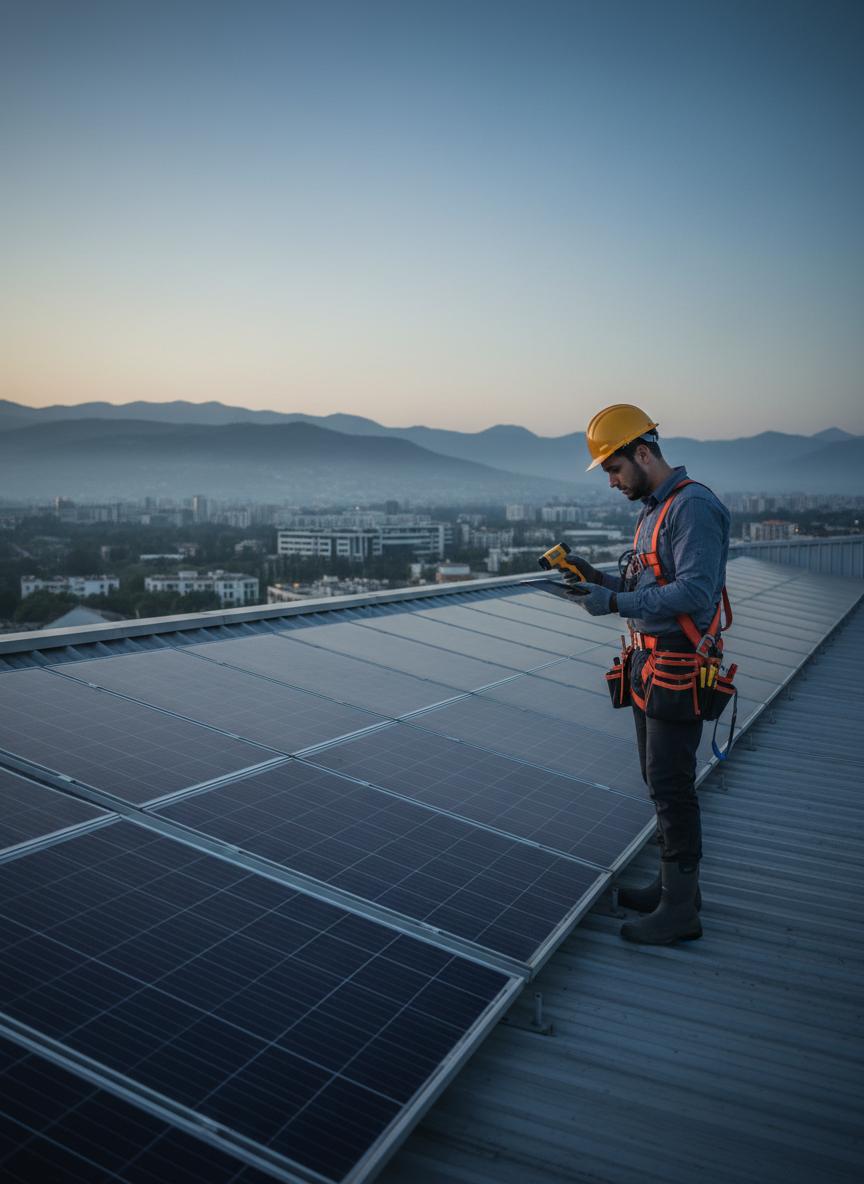
We recommend annual professional inspections to:
- Test electrical connections
- Check inverter performance
- Inspect mounting system integrity
- Verify safety systems
Singapore's Tropical Cleaning Requirements
Singapore's climate creates unique maintenance challenges that differ from temperate regions:
Haze Season (August-October): During transboundary haze events, fine particulate matter (PM2.5) accumulates on panels, reducing output by 10-20%. Post-haze professional cleaning is recommended, costing S$200-300 for a typical residential system.
Thunderstorm Season (November-March): Frequent lightning requires properly grounded systems. All Singapore installations must comply with SS 555 (Code of Practice for Protection Against Lightning). Annual inspection of grounding connections costs S$80-120 but is essential for safety.
Dry Spells (May-July): Extended periods without rain cause dust, pollen, and bird droppings to build up. While Singapore's regular rain typically keeps panels reasonably clean, landed properties near trees or in bird-fly zones may need quarterly cleaning.
Professional vs. DIY Maintenance
In Singapore, safety regulations require professional cleaning for systems above 3kW or those on multi-story roofs. DIY cleaning is only permissible for:
- Ground-level balcony systems under 1kW
- Single-story landed properties with safe roof access
- Using deionized water and soft brushes (no high-pressure washers that could damage seals)
Licensed cleaning services in Singapore charge S$150-350 per visit for residential systems, with annual maintenance packages at S$400-600 including cleaning, electrical inspection, and monitoring calibration.
Vegetation and Shade Management
Unlike countries with distinct seasons, Singapore's tropical vegetation grows year-round. Trees that were small when panels were installed may shade them within 2-3 years. NEA manages roadside trees — any trimming requires approval and costs S$100-500 depending on tree size. For landed properties, budget for tree maintenance every 18-24 months to prevent shading losses.
Inverter Maintenance in Humid Climates
Inverters are the most weather-sensitive component:
- Outdoor inverters: Must have IP65 rating minimum. Check ventilation grilles quarterly for insect nests (common in Singapore)
- Indoor inverters: Ensure utility room has adequate ventilation. Install a small exhaust fan if room temperature exceeds 35°C regularly
- String inverters: Fan-cooled models require annual filter cleaning (S$50-80 service)
- Microinverters: Distributed on roof, fully sealed, virtually maintenance-free
Monitoring Alerts to Watch For
Singapore's consistent climate means production should be stable month-to-month. Watch for:
- Sudden 15%+ production drop: Likely soiling or shading issue
- Zero export readings: Check if meter communication is active (common after SP Group maintenance)
- Inverter error codes: High ground fault current may indicate moisture ingress in humid conditions
- Consistent underperformance: May indicate PID (Potential Induced Degradation) — contact installer for warranty claim
Argyle Solar Maintenance Services
We offer comprehensive maintenance packages to keep your system running at peak performance. Contact us for service plans tailored to your system.
Tropical Weather Impact on Solar
Singapore's tropical climate subjects solar panels to intense UV radiation, high humidity, heavy rainfall, and occasional hail. While panels are designed to withstand these conditions, proactive maintenance ensures optimal performance. Quality panels have IEC 61215 certification for tropical climates, testing resistance to humidity freeze, damp heat, and thermal cycling.
Cleaning Schedule and Methods
Due to urban pollution, dust, and occasional haze from regional fires, Singapore's solar panels benefit from quarterly cleaning. Rain provides some natural cleaning, but manual washing with deionized water and soft brushes removes accumulated grime more effectively. Professional solar panel cleaning services charge S$150-300 per visit for residential systems, while DIY cleaning is feasible for accessible roof sections with proper safety equipment.
Common Tropical Issues
Several issues are specific to tropical installations:
- Hot spots: Caused by shading or cell mismatch, creating localized heating that can damage panels. Bypass diodes and power optimizers mitigate this risk.
- Potential induced degradation (PID): High humidity and voltage stress can reduce output. Proper grounding and anti-PID inverters prevent this.
- Delamination: Moisture ingress separating panel layers. Quality encapsulants and proper installation prevent this issue.
- Corrosion: Salt air in coastal areas can affect metal components. Marine-grade aluminum and stainless steel fasteners are recommended.
Monitoring and Early Detection
Modern monitoring systems can detect performance degradation before it becomes visually apparent. Comparing actual vs. expected output on a monthly basis identifies issues requiring maintenance. Argyle Solar provides monitoring services that alert homeowners to anomalies, enabling prompt intervention before significant energy losses occur.