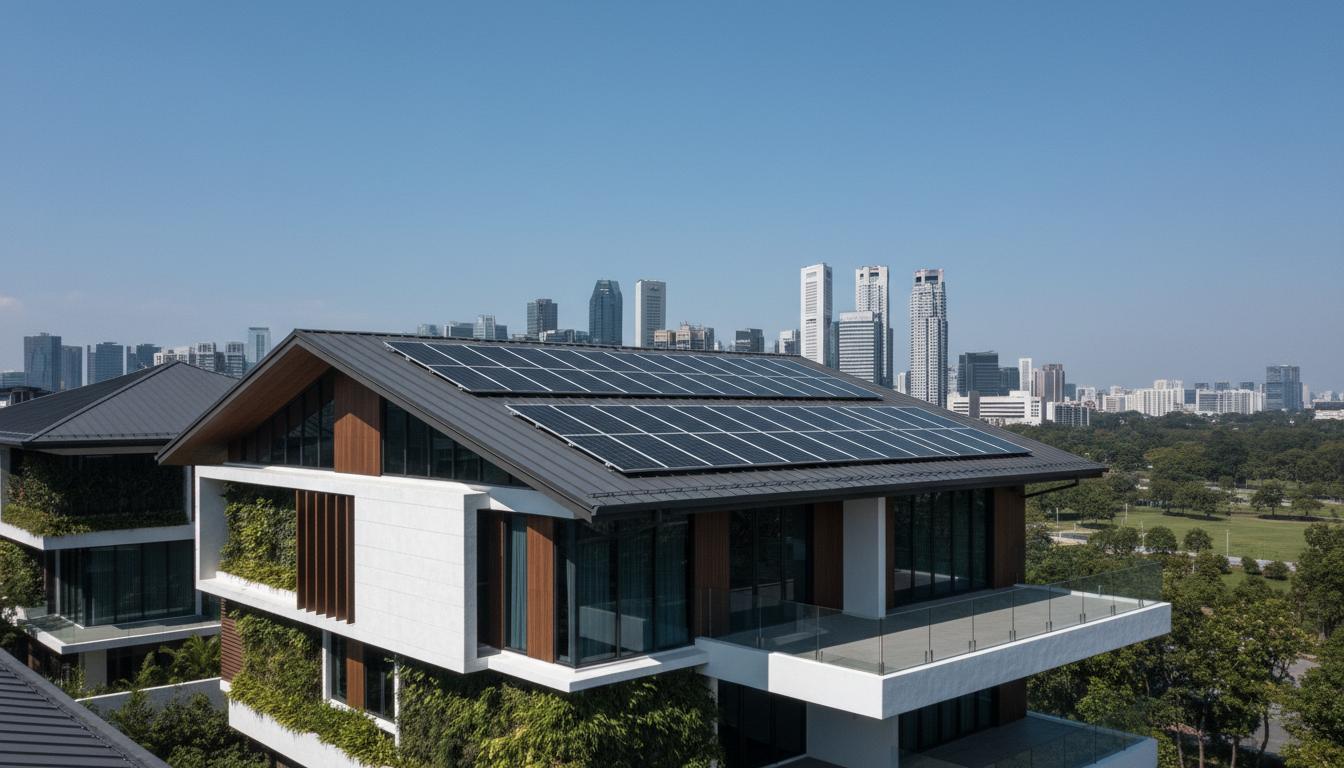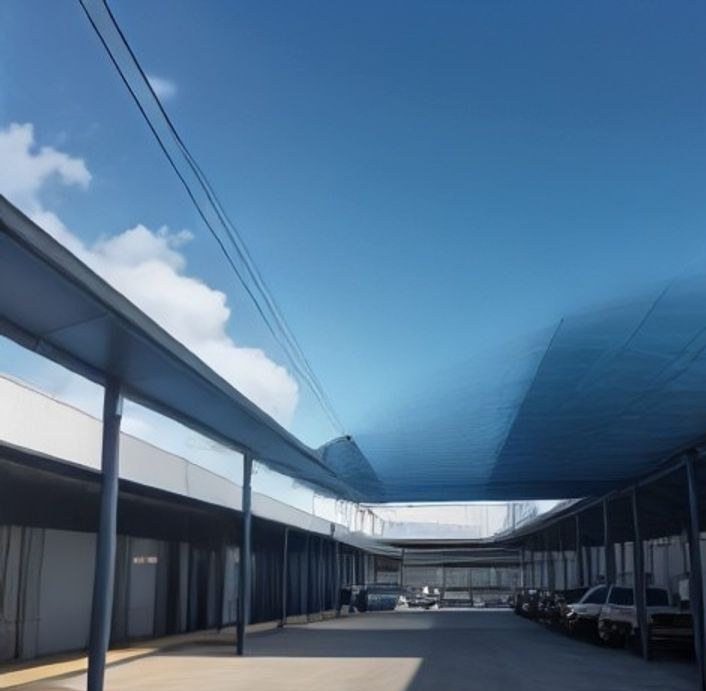
What Is a Solar Carport?
A solar carport is a canopy structure built over parking areas, with PV panels forming the roof. Instead of mounting panels on your building, you generate power over the spaces where your staff, tenants, and visitors park. The structure provides shade and weather protection for vehicles while producing electricity from otherwise unused land.
In Singapore, carports have moved from novelty to mainstream: malls, industrial estates, schools, and condominiums are deploying them as grid tariffs stay elevated and EV adoption accelerates.
When Does a Carport Beat a Rooftop System?
- Your roof can't take the load: Older metal-deck roofs or lightweight structures may fail structural assessment — carports bypass the building entirely.
- Your roof is already fully utilised: Mechanical equipment, skylights, or shading from adjacent buildings can make rooftop generation marginal.
- You have surplus parking space: Surface car parks are prime real estate for generation, especially in industrial estates with generous parking ratios.
- You want EV charging: Carports put generation exactly where vehicles park — the natural home for chargers.
Carports cost more per kWp than rooftop systems due to structural steelwork — typically 20-40% higher installed cost. The economics still work because the electricity value is the same and the land was generating nothing.
Typical Applications in Singapore
Industrial and logistics: Factory and warehouse sites in Tuas, Jurong, and Woodlands often have large surface car parks with excellent sun exposure. Day-shift operations align perfectly with solar generation.
Commercial buildings: Retail malls and office parks use carports as visible sustainability statements — customers literally park under the company's green commitment.
Condominiums and MCSTs: Where rooftops are crowded with water tanks and lift overrun rooms, carports offer an alternative generation surface, with the added resident benefit of shaded parking.
Schools and institutions: Generous parking and strong educational value make carports popular for sustainability programs.
EV Charging Integration
This is where carports get genuinely strategic. Singapore's EV population is growing rapidly, and LTA's goal of 60,000 charging points by 2030 is pushing landlords to provision charging infrastructure. A solar carport can:
- Power EV chargers directly during daylight hours, avoiding peak grid tariffs
- Reduce the electrical capacity upgrades otherwise needed for charger clusters
- Support your building's Green Mark 2021 transportation credits
Designing chargers and solar together is far cheaper than retrofitting later — conduit, switchboard capacity, and load management can be planned once.
Design Tip: Plan for the Second Life
Size your carport's electrical infrastructure for future expansion even if you install few chargers initially. Trenching and switchboard work done once costs a fraction of retrofit civil works — and EV demand in Singapore is not a matter of if, but when.
Approvals and Structural Requirements
Carport structures are standalone buildings in regulatory terms, so approvals are more involved than a rooftop retrofit:
- BCA structural submission: The steel structure requires a Professional Engineer (PE) design and submission.
- URA planning considerations: Carports affecting parking counts, greenery provision (LUSH/GnPR requirements), or site coverage may need planning approval — especially on new developments.
- SCDF requirements: Clearance may apply depending on structure height and site context.
- EMA/SP Group: Grid connection follows the same process as rooftop systems — licence exemption below 1 MWac, SCT or ECIS registration for exported power.
An experienced commercial installer manages this approval chain as a matter of course. Ask specifically about URA experience — it's the step most often underestimated.
Costs and Returns
Commercial carport systems in Singapore typically range from S$2,000-3,000 per kWp installed depending on span, foundation type, and finish — versus S$1,500-2,500 per kWp for straightforward rooftop work. At Q4 2026 grid rates around S$0.31/kWh including GST, well-sited carports in high-consumption facilities still achieve payback in 5-7 years, with the structural asset adding 25+ years of shaded parking value.
Getting Started
The viability of a carport project hinges on site specifics: parking layout, soil conditions, consumption profile, and approval pathway. A feasibility study answers all four in a few weeks.
Assess Your Site's Carport Potential
Free feasibility study covering generation modelling, structural design, EV charging provision, and the full approval pathway.